Research, Policy & Advocacy: Driving Systemic Change for Mental Health

At Wayahead, we know that creating a mentally healthier society requires more than programs and campaigns—it demands evidence-based research, bold advocacy, and policy leadership. This is where we turn insight into action, shaping the future of mental health in New South Wales and beyond.

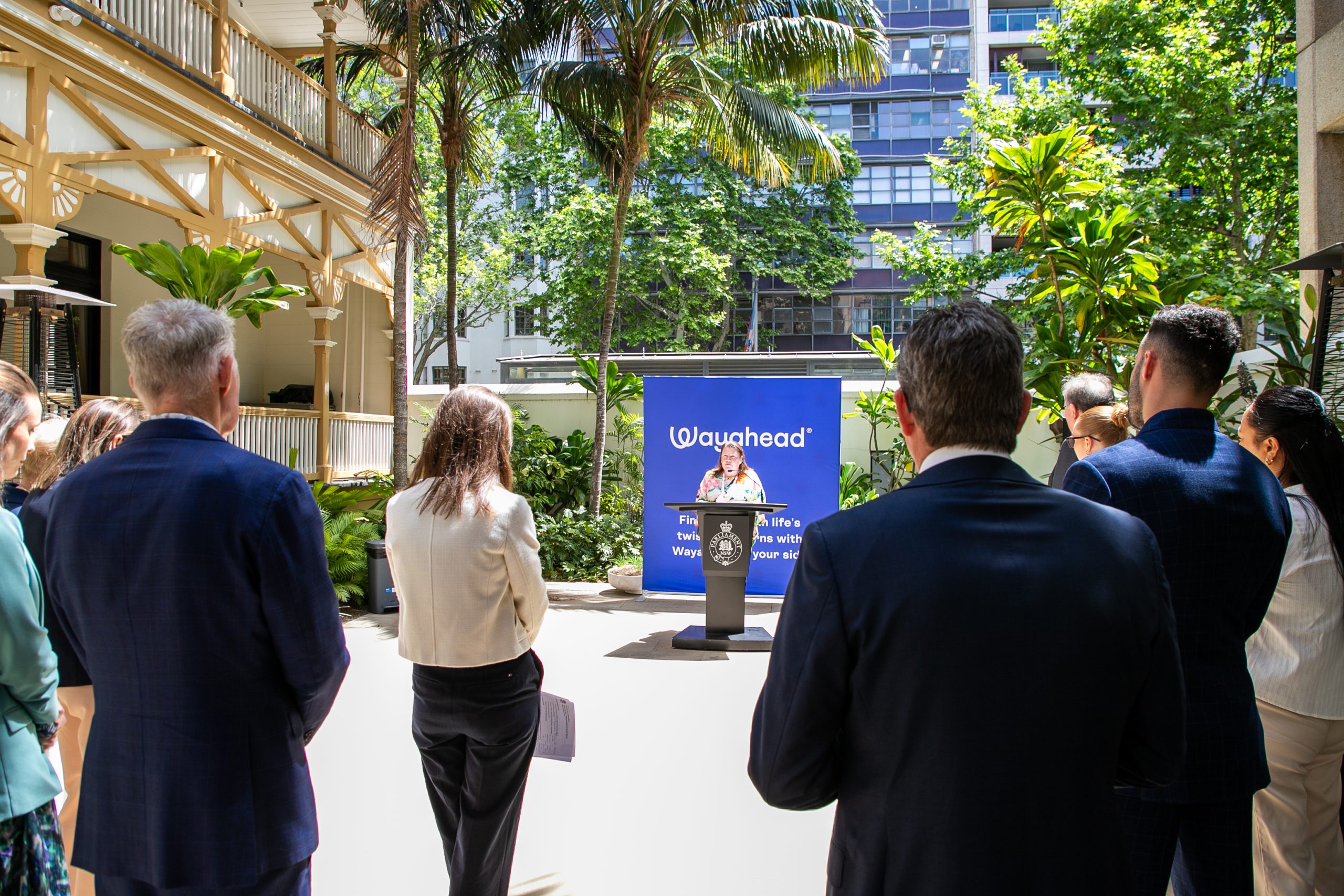
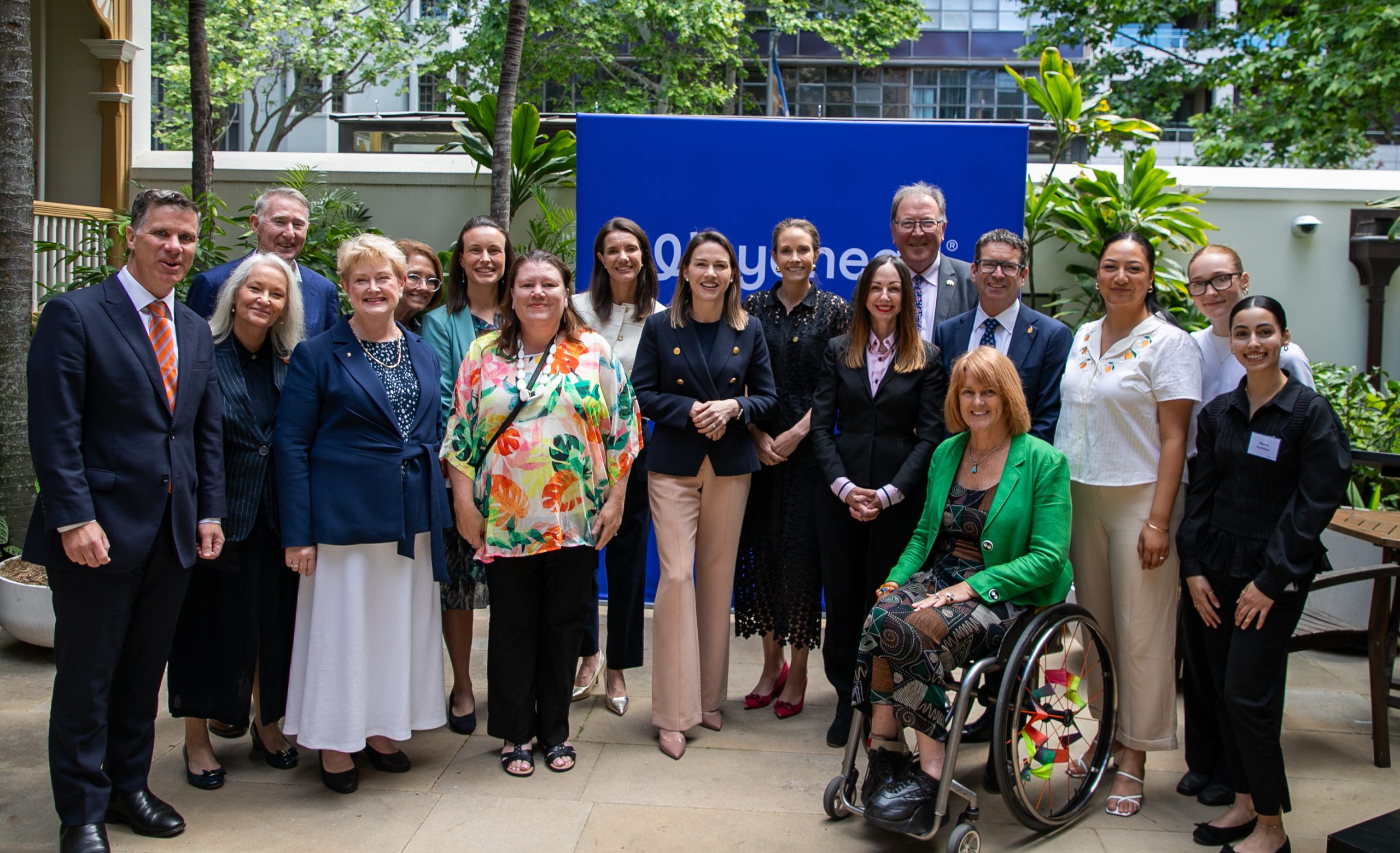
Mental Health Matters Awards winners

Mental health challenges are complex and deeply connected to social, economic, and cultural factors. Our research and advocacy efforts ensure that:

  • Programs are grounded in evidence, not assumptions.
  • Policy reflects lived experience, not bureaucracy.
  • Communities have a voice in shaping the systems that serve them.

wayahead team2026v1
Advocacy:

Advocacy: Amplifying Voices, Driving Reform

Through alliances, partnerships, parliamentary roundtables and national conferences, Wayahead champions systemic change and stigma reduction. As a member of the NSW Alliance for Mental Health, we advocate for accessible, recovery-oriented care and less medicalised models of support.

Our advocacy is grounded in lived experience and powered by partnerships. F

  • Sector Leadership
    We actively engage in consultations, roundtables, and media advocacy to keep mental health on the public agenda.
  • Global Connections
    Through the Global Anti-Stigma Alliance (Australia-Pacific Region), we contribute to international efforts to dismantle stigma and discrimination.
  • Media Engagement
    From parliamentary roundtables to national conferences, our advocacy ensures mental health remains a priority.

    Our CEO regularly speaks to major outlets, including SBS, ABC TV, ABC Radio, and the Sydney Morning Herald, amplifying policy messages and raising public awareness. Interviews on Channel 9 News and Channel 7 News have spotlighted Wayahead’s work and key mental health priorities, ensuring these conversations reach millions of Australians. Wayahead’s advocacy regularly reaches regional communities through coverage in outlets such as Cumberland News, The Lismore App, Ballina Times, and Byron Coast Times, ensuring mental health conversations resonate beyond metropolitan areas.”

Our Research: Evidence That Drives Impact

We collaborate with leading universities and research bodies to answer critical questions and develop practical solutions for real-world challenges.

Key Research Initiatives

  • Breaking Barriers to Care
    In partnership with Macquarie University, we’re investigating why families—especially those from low socioeconomic backgrounds—struggle to access mental health services. Phase 2 of this study compares experiences across income groups, aiming to inform a sector-wide toolkit for equitable service delivery.

  • Climate Change & Mental Health
    Through the Protecting Mental Health in a Changing Climate project, we’re exploring scalable online interventions for climate anxiety. This research positions Wayahead at the forefront of emerging mental health issues.
  • Advancing Childhood Anxiety Treatment
    Working with Dr. Ella Oar at Macquarie University, we’re supporting research into intensive exposure therapy for childhood anxiety. Our role includes participant recruitment and dissemination of findings through factsheets, webinars, and practitioner resources.
  • Program Evaluations
    We rigorously evaluate our own initiatives, such as the Small Steps program, which showed a 42.1% increase in participants’ ability to recognise anxiety symptoms and 98.5% intention to act on new knowledge. These insights guide continuous improvement.
489702422 1202360271894253 1935217039643701853 n
Student Placements and University Partnerships

Student Placements and University Partnerships

At Wayahead, we value the fresh perspectives and innovation that student placements bring to our work. Through strong partnerships with leading universities such as Macquarie University, Charles Sturt University, and Canberra University, we provide meaningful opportunities for students to contribute to research, program evaluation, and service improvement. These collaborations enhance our evidence-based approach, support the co-design of new initiatives, and strengthen our commitment to continuous learning. By working alongside students and academic partners, we ensure our programs remain relevant, impactful, and informed by the latest research and lived experience.

Policy Leadership: Influencing Systems for Better Care

We don’t just participate in policy conversations—we help shape them. Wayahead is a trusted voice in state and national forums, ensuring mental health strategies are inclusive, evidence-based, and stigma-free.
Highlights of Our Policy Work
  • Wayahead’s 2025–26 Pre-Budget Submission calls for urgent action to fix NSW’s mental health system. We highlighted the funding gap—mental health accounts for 15% of the disease burden but receives only 5% of health funding—and the devastating impact of workforce shortages, long wait times, and stigma. Our recommendations include boosting community-based and early intervention services, funding stigma reduction programs, addressing regional and remote access, and investing in peer navigation, trauma-informed training, and innovative service models. We also urged the government to explore new revenue streams, such as a mental health levy, to ensure sustainable funding. This submission is about creating a system that is accessible, equitable, and recovery-focused for every person in NSW.
  • Wayahead’s submission on the National Suicide Prevention Strategy 2024–2034 calls for a bold, coordinated approach to save lives. We advocated for a strategy that goes beyond crisis response—one that tackles the root causes of distress, including social determinants like housing, financial security, and cultural safety. Our recommendations emphasise early intervention, stigma reduction, lived experience leadership, and system-wide collaboration. We pushed for practical, evidence-based actions: from trauma-informed care and integrated mental health and substance use support, to culturally responsive programs for priority populations. Our vision is clear—a compassionate, inclusive, and connected Australia where suicide is preventable and every person has access to timely, effective support.
  • Review of the NSW Mental Health Commission & Expert Advisory Committee
    Our CEO served on the Expert Advisory Committee, ensuring community perspectives informed recommendations for systemic reform.
  • Wayahead’s submission to the Review of the Mental Health Commission of NSW calls for greater independence, stronger accountability, and systemic reform. We highlighted the need for the Commission to move beyond activity-based reporting and focus on measurable outcomes for communities. Our recommendations include embedding lived experience, improving transparency, and driving cross-sector collaboration in areas like housing, education, and justice. We also urged a shift towards a human rights-based approach, better monitoring and evaluation, and exploring a national model to reduce duplication and improve integration. The goal? A Commission that is empowered to lead real change and deliver a mental health system that is inclusive, equitable, and effective.
  • Wayahead’s submission to the NSW Mental Health and Wellbeing Strategy is a bold call for action. We’re pushing for a system that puts people first—one that is trauma-informed, human rights-based, and driven by lived experience. Our recommendations tackle the big issues: ending the over-reliance on Emergency Departments, fixing the “missing middle,” and embedding equity at every level. We shine a spotlight on social determinants of mental health—housing, financial security, cultural safety—and demand solutions that break down stigma and discrimination. This is about building a mental health system that is accessible, inclusive, and accountable, so every person in NSW can thrive.
Policy Leadership
Collaborating for Systemic

Collaborating for Systemic Reform

Wayahead is a proud member of the NSW Mental Health Alliance, a coalition of peak bodies, professional associations, and community-managed organisations united in advocating for systemic reform. The Alliance brings together:

  • The Royal Australian and New Zealand College of Psychiatrists (RANZCP)
  • Mental Health Coordinating Council (MHCC)
  • Australian Psychological Society (APS)
  • The Australian College of Mental Health Nurses
  • Royal Australian College of General Practitioners (RACGP)
  • Australian Medical Association (AMA)
  • BEING – Mental Health Consumers
  • Mental Health Carers NSW (MHCN)
  • Black Dog Institute
  • Australian Society for Psychiatric Medicine (ASPM)
  • Wayahead – Mental Health Association NSW
Together, the Alliance is calling for urgent reform and investment in the mental health system, championing a redesign that prioritises accessibility, equity, and recovery-focused care. By working collaboratively with the NSW Government, the Alliance aims to create a mental health system that meets the needs of all communities across the state.

Our involvement ensures that the voices of communities—and those with lived experience—are heard at the highest levels of decision-making. By collaborating across sectors and political lines, the Alliance amplifies impact, influences policy, and champions reforms that make mental health care more responsive and inclusive for all people in NSW.

Consultation – A new model for responding to mental health emergencies in the NSW community
Wayahead is participating in NSW Health’s consultation on a proposed health-led model for responding to mental health emergencies in the community. This model aims to shift away from police being the primary responders to Triple Zero (000) mental health calls, ensuring that people in crisis receive care from trained health professionals. Police involvement would be limited to situations where there is an imminent risk to life, serious harm, or a crime.

Consultation is seeking input from lived experience stakeholders, carers, peak bodies, and the community on key principles, workforce composition, culturally safe responses, and how families and carers should be involved. The goal is to design an inclusive, safe, and effective system that delivers the right care at the right time.

Wayahead has been actively calling for reform in how NSW Police respond to mental health emergencies. Our advocacy emphasises the need for a trauma-informed, health-centred approach that prioritises wellbeing and reduces harm. We have urged the NSW Government to explore models like Right Care, Right Person (RCRP), which ensure mental health professionals lead responses, with police involvement only when there is an imminent risk of harm.
Key recommendations include:

  • Transparency and Accountability: Public reporting on welfare checks and injuries during police interactions.
  • Mandatory Training: Comprehensive mental health training for all officers, starting at the Academy and refreshed every 3–5 years. Training should cover mental health literacy, crisis intervention, de-escalation, cultural safety, and stigma reduction.
  • Lived Experience Leadership: Co-design and delivery of training with people who have lived experience.
  • Addressing Intersectional Stigma: Ensuring responses consider compounded discrimination faced by diverse communities.

Wayahead has positioned itself as a collaborative partner, offering expertise in mental health promotion and stigma reduction to help shape future training and policy reforms.

Why a Relational Approach to Mental Health Care Matters

Australia’s mental health system has long relied on a medical model that focuses on symptoms and diagnoses, often overlooking the relationships and social factors that shape wellbeing. A relational approach changes this by recognising that recovery is built through trust, support, and connection—with families, carers, and communities playing a central role.

Wayahead has formed a partnership with Relationships NSW.
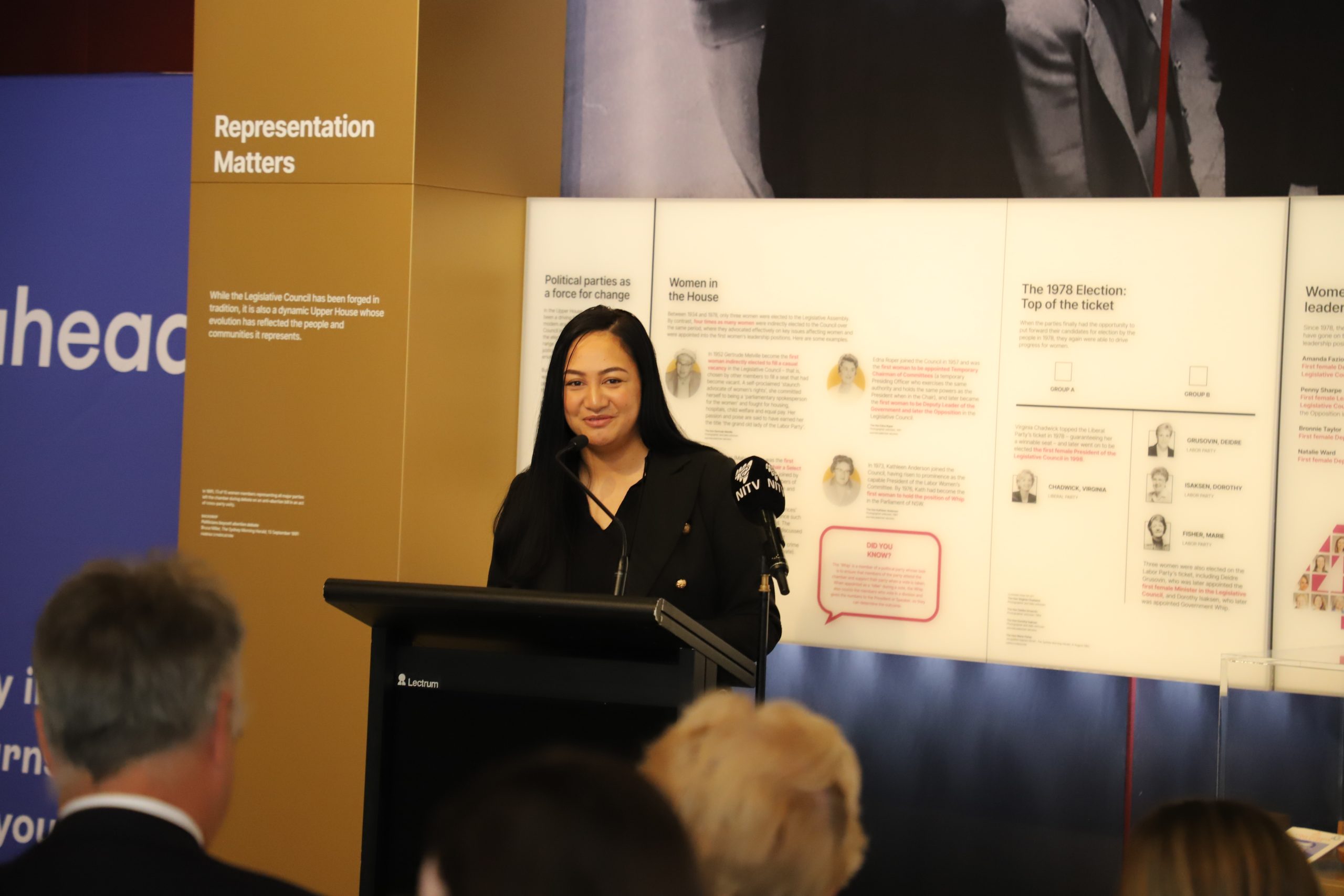
What We’re Advocating For

  • Person-centred care that values lived experience and sees individuals as whole people.
  • Collaborative models that integrate clinicians, families, and support networks.
  • Holistic solutions addressing social determinants like housing, employment, and cultural safety.

Relational care is practical, ethical, and transformative. It improves outcomes, reduces hospitalisations, and creates a system where every voice is heard.

Wayahead’s Role in the Relational Care Project & Next Steps

  • Sector Leadership
    We are leading the conversation on shifting from a purely medical model to a relational approach that values connection, collaboration, and lived experience.
  • Convening Stakeholders
    Wayahead co-facilitated the recent roundtable with Relationships Australia NSW, bringing together experts, policymakers, and lived experience advocates to shape the vision for relational care.
  • Co-Designing the Framework
    We will work with universities, clinicians, and lived experience groups to develop a practical model for “socially supported care” that can be piloted and scaled.
  • Evidence and Evaluation
    Through partnerships with Macquarie University and others, we will strengthen the evidence base for relational care and design evaluation frameworks that measure wellbeing and inclusion.
  • Building a Coalition
    We aim to form a collective advocacy group to champion systemic reform and ensure relational care becomes a core part of mental health services in NSW and beyond.
Why This Work Matters
RANSW Mental Health Roundtable Nov 2025 scaled

Why This Work Matters

Mental health does not exist in isolation—it is shaped by the environments we live in, the opportunities we have, and the systems that support us. At Wayahead, we recognise that social determinants of mental health—such as housing stability, education, employment, income, cultural safety, and access to healthcare—play a critical role in wellbeing.

People facing disadvantage often experience higher rates of mental health challenges yet encounter the greatest barriers to care. Factors like poverty, discrimination, insecure housing, and limited access to culturally appropriate services can compound stress and reduce help-seeking. These inequities are not just individual—they are systemic, and they demand systemic solutions.
Our research and advocacy work addresses these root causes by:

  • Highlighting gaps in service access for socioeconomically disadvantaged families.
  • Promoting policies that reduce stigma and discrimination, which disproportionately affect marginalised communities.
  • Championing culturally responsive approaches for First Nations people, LGBTQIA+ communities, young people, older people and those from culturally and linguistically diverse backgrounds.
  • Advocating for integrated models of care that consider social and economic realities, not just clinical symptoms.

By tackling these determinants head-on, we aim to create a mental health system that is equitable, inclusive, and recovery-oriented—where every person, regardless of background, can access the support they need to thrive.

Join Us in Shaping the Future
Research, policy, and advocacy are the engines behind everything we do. They ensure our programs are evidence-based, our campaigns are impactful, and our voice in the sector is strong and credible. Together, these efforts help create a society where mental health is understood, valued, and supported.
Research, policy, and advocacy are the engines behind everything we do. They ensure our programs are effective, our campaigns are impactful, and our voice in the sector is strong and credible.

Join us in shaping the future of mental health. Explore our research projects, read our policy submissions, and discover how you can be part of the change.
Partner with us to create a society where mental health is understood, valued, and supported.

  • This field is for validation purposes and should be left unchanged.
Newsletter logo

Newsletter

Stay up to date

Sign up to our Mind Reader newsletter for monthly mental health news, information and updates.