
From a Parent’s Heart to a CEO’s Desk: Why Mental Health Care Must Change
As a parent, nothing prepares you for the moment you realise the mental health care system meant to help your child is failing them. My daughter Amber has lived through years of misdiagnosis and fragmented care. Despite clear neurological symptoms—movement disorders, vision loss, cognitive decline—her condition was repeatedly dismissed as a side effect of anti-psychotic medication. We fought for answers, sharing videos, documentation, and seeking multiple opinions. Yet even now, we are still waiting for a comprehensive recovery and holistic treatment plan.
Every appointment felt like starting from scratch. Critical communication between psychiatrists and specialists was delayed or lost. Our voices as parents were sidelined, and Amber’s voice—the one that mattered most—was barely heard. She was treated as a case, not as a person. The system didn’t fail because it lacked expertise. It failed because it lacked connection.
As CEO of Wayahead, I see that Amber’s story is not unique. It reflects a broader truth: our mental health system is built on a dominant medical model that isolates people from the relationships and communities that shape their wellbeing. Recovery doesn’t happen in isolation. It happens in connection—through trust, support, and collaboration.
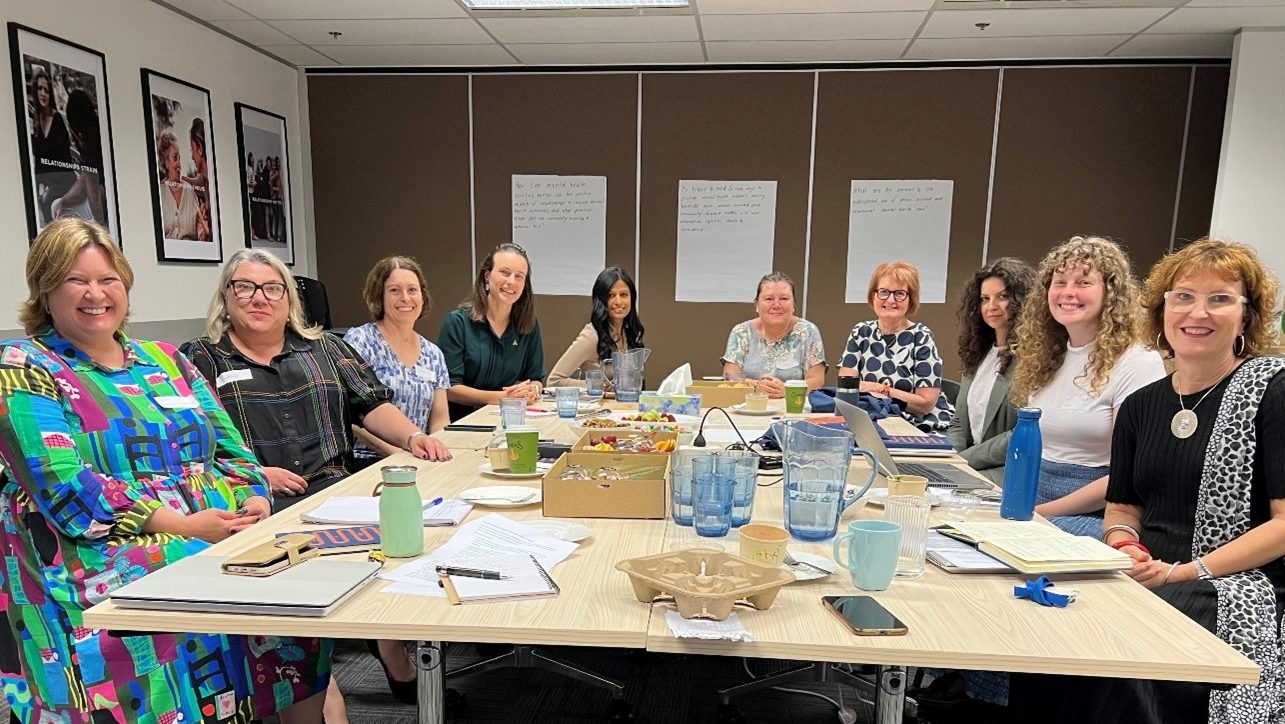
At a recent roundtable co-hosted by Wayahead and Relationships Australia NSW, experts and advocates agreed: we need a relational approach to mental health care. One that sees people as whole human beings, embedded in families/kinship, friendships, workplaces, and communities. One that values continuity and collaboration, not fragmentation. One that asks not just “What’s wrong with you?” but “Who are you, and what do you need to thrive?”
This shift isn’t just philosophical—it’s practical and urgent. It means funding models that prioritise long-term wellbeing, not short-term crisis management. It means training practitioners to work relationally, not just diagnostically. And it means creating systems that include families, kin and carers as partners, not outsiders.
Amber’s journey has taught me that healing begins with listening. It begins when we see the person behind the diagnosis—the daughter, the sister, the horse rider, the young woman with dreams. That’s what a relational approach makes possible.
As a parent and as a CEO, I believe we can build a mental health system where every voice is heard, every relationship is valued, and every person has the chance to thrive—not alone, but in community. This is not just my hope. It is our call to action.
What’s Next? Turning Insight into Action
The roundtable didn’t end with discussion—it ended with determination. Participants agreed that the next steps must focus on advocacy, collaboration, and practical implementation. This includes:
• Developing a clear framework for relational care – A proposal for a “socially supported care” model will be co-designed with lived experience groups and professionals, ensuring it reflects what truly matters to individuals, kin and families.
• Building a coalition for change – Attendees committed to forming an advocacy group to champion relational approaches at every level, from policy reform to service design.
• Embedding evaluation and evidence – Future initiatives will include robust measurement frameworks to demonstrate impact beyond crisis metrics, focusing on wellbeing, quality of life, and thriving communities.
This is not just a conversation—it’s the beginning of a movement. Together, we can create a mental health system that values connection, collaboration, and care that sees the whole person.
Sharon Grocott
Chief Executive Officer, Wayahead

Newsletter
Stay up to date
Sign up to our Mind Reader newsletter for monthly mental health news, information and updates.